
LED technology is known for its energy efficiency. LED lights use significantly less electricity than traditional incandescent bulbs. Likewise, LED fans use relatively low power, making them an energy-saving option. LED lights integrated into the fan blades consume minimal power, allowing them to operate without significantly impacting utility bills.
LED fans often have the option to adjust the brightness or even turn off the LED lights entirely, which can help further reduce power consumption. Users can enjoy the cooling benefits of a fan without using the additional energy of an LED light. This flexibility is especially useful in environments where lighting is not required or when using a fan at night (where brighter lights are not preferred).
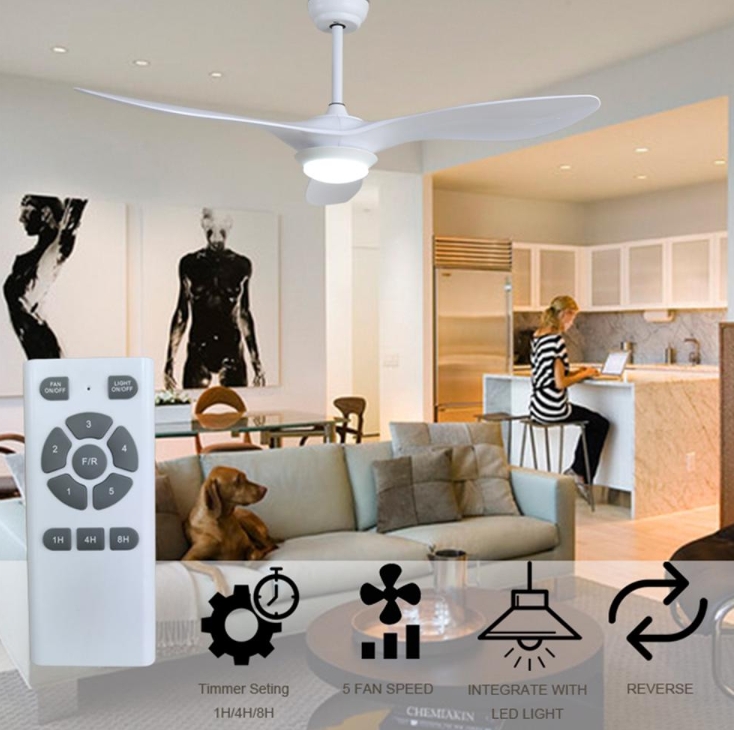
It's worth noting that the power consumption of LED fans may vary depending on factors such as fan size, speed settings, and the number of LEDs integrated into the fan. A larger fan may consume more power when running at a higher speed than a smaller fan when running at a lower speed. Likewise, an LED fan with more LEDs may consume slightly more power due to increased lighting requirements. However, these differences in electricity usage are usually small.
All in all, LED fans are generally energy efficient and consume relatively low power. The integration of LED lights and high-efficiency motor systems allows these fans to provide effective cooling while keeping electricity bills at reasonable levels. Users can also adjust the LED brightness or turn them off completely to further reduce energy consumption. When evaluating power usage, it's important to consider the fan's size, speed settings, and LED requirements. Overall, LED fans are a reliable and cost-effective cooling option for a variety of setups.
JIANGMEN ESCLIGHTING TECHNOLOGY LIMITED,was founded in the year 2009 .In order to meet market needs and satisfy customer needs,Our R&D department keep to design the unique and customized Solar Fan.DC Ceiling Fan.Led Ceiling Fan.Smart fan and ABS Ceiling Fan by analyzing the market demands and customer spending habits.